How Much Does It Cost To Hire A Grab Lorry?
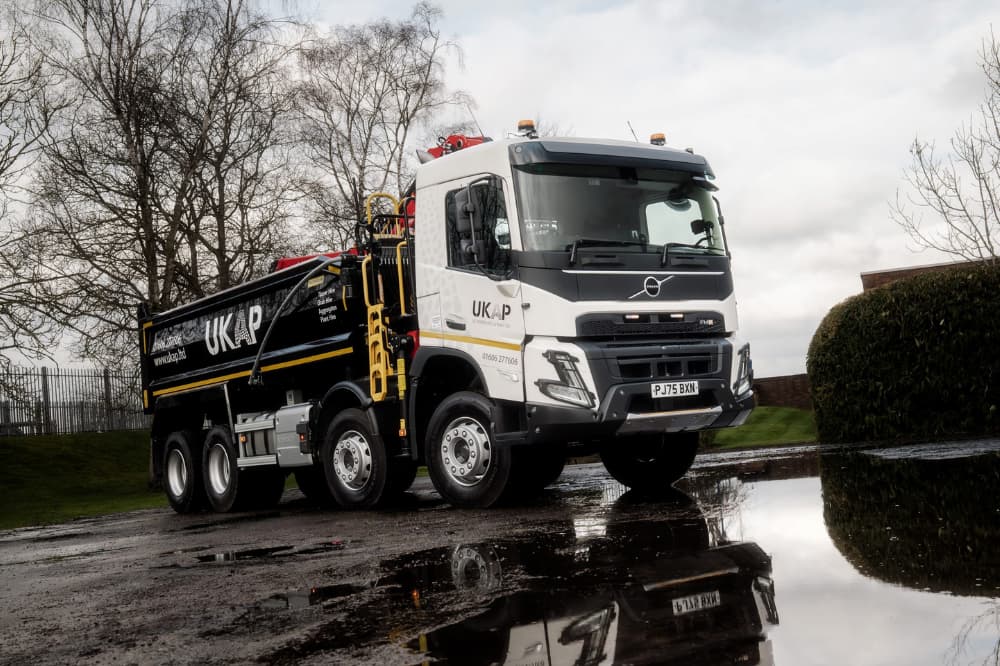

If you’ve got a pile of soil, rubble, or building waste that needs to disappear fast, you’re probably asking the same question everyone asks first: how much does it cost to hire a grab lorry? The short answer is usually somewhere between £250 and £500 per load, depending on the size of the lorry, what you’re getting rid of, and where you’re based.
This guide breaks down exactly what drives that price, so you know what to expect before you pick up the phone.
Grab lorries come in a few standard sizes, and the size you need has a bigger single impact on your quote. Here’s a general guide to what you can expect to pay per load, excluding VAT:
| Lorry Size | Typical Capacity |
| 4-Wheeler | 7–9 tonnes |
| 6-Wheeler | 12–14 tonnes |
| 8-Wheeler | Up to 16 tonnes |
Pricing can vary depending on the individual requirements of the job. Factors including travel distance, material type and quantity, loading and unloading requirements, site access and working times can all affect the cost. There may also be additional costs where materials require testing or specialist disposal, or where materials cannot be returned to our yard for recycling and instead need to be tipped at a suitable third-party facility. Projects with particularly restricted working windows may also require additional wagons or resources. We therefore assess the specific requirements of each project before providing a quotation.
Our grab service is ideal for garden clearances, new driveways and smaller building projects, providing a convenient way to remove standard amounts of waste. For larger clearances, full site projects or major renovations, an 8-wheeler can be the most cost-effective option, as it reduces the need for multiple collections compared to smaller lorries.
At UKAP, we offer a modern fleet of 8-wheeler grab hire for residential, commercial and construction projects, providing a reliable and efficient solution for transporting and removing materials.
If your project involves removing excavation spoil, our muck away service provides an efficient solution for clearing and transporting these materials.
The price per load is the main cost, but a few extras can come up depending on the job. Knowing about these upfront means no surprises on the day:
The easiest way to avoid all four of these is simple: give an honest description of your waste and clear access details when you book.
A quick chat about what’s actually in the pile and how easy it is to reach saves everyone a headache on the day.
Both do the same basic job, but they suit different situations, and the cheaper option depends on your project.
| Feature | Grab Lorry | Skip Hire |
| Best For | A large volume of waste that’s already piled up and ready to go | Waste building up gradually over several days or weeks |
| Loading | Hydraulic arm does the work — no manual loading | You load it yourself, bit by bit |
| Permit Needed | Usually no, since it doesn’t stay on the road | Often yes, for on-street placement |
| Speed | Around 20–30 minutes per collection | Stays on-site for days or weeks |
| Cost for Large Volumes | Usually cheaper — one load can replace several skips | Can add up quickly if you need more than one |
As a rule of thumb: if you’re clearing more than 6-8 tonnes in one go, a grab lorry will almost always beat the cost of hiring multiple skips. For smaller, slower-burning projects, a skip is usually the more practical choice.
A few small steps on your end can make a real difference to your final quote:
Getting your head around grab lorry prices is the first step. Picking the right team is what actually gets the job done properly, and our grab hire service is built around exactly that.
Day-rate hire works out differently to per-load pricing, since you’re booking the wagon and driver for a set period rather than a single collection. It’s a flexible option for bigger or ongoing projects; get in touch for a rate based on your specific job.
For larger volumes, usually yes. One grab lorry load can do the job of two or three skips, and you avoid permit fees since the lorry doesn’t need to sit on the road.
In most cases, no. Because the lorry loads from the kerb and drives straight off, there’s no extended presence on the road the way there is with a skip. It’s worth flagging your location if you’re in a restricted or managed road zone, just to be safe.
For a full site clearance or larger renovation, an 8-wheeler makes more sense — our team can advise once we know roughly how much waste you’re dealing with.
We aim to keep turnaround times as fast as possible. Contact our team with your details and we’ll confirm the soonest available slot.
