

Welcome to UKAP Ltd – Trusted Aggregate Suppliers & Waste Management in Cheshire
At UK Aggregates and Plant Ltd (UKAP), we’re your dependable partner for aggregate supply, construction waste management, and professional site services across Cheshire, Greater Manchester, Merseyside, Staffordshire and the North West. As a fully licensed waste transfer station and waste carrier, we offer efficient, sustainable solutions for both domestic and commercial projects.
Quality Aggregates for Every Project
Whether you’re working on residential landscaping, commercial development, or infrastructure construction, UKAP supplies a broad range of primary and recycled aggregates.
Our materials are carefully processed to meet industry standards, helping you build solid foundations and landscapes that stand the test of time.
Comprehensive Waste Management & Recycling
Our modern waste transfer station handles all types of construction and demolition waste responsibly. We prioritise recycling and divert as much material as possible from landfill, supporting your environmental goals and reducing project costs.
What We Offer
Grab hire for easy waste removal, Tipper, Muck-Away, and Soil Analysis. Next-day delivery or same-day collection from our yard in Northwich, Cheshire.
No job is too big or too small, from one-off residential clearances to ongoing commercial contracts, we tailor our services around your schedule and budget.
Modern Fleet & Expert Team
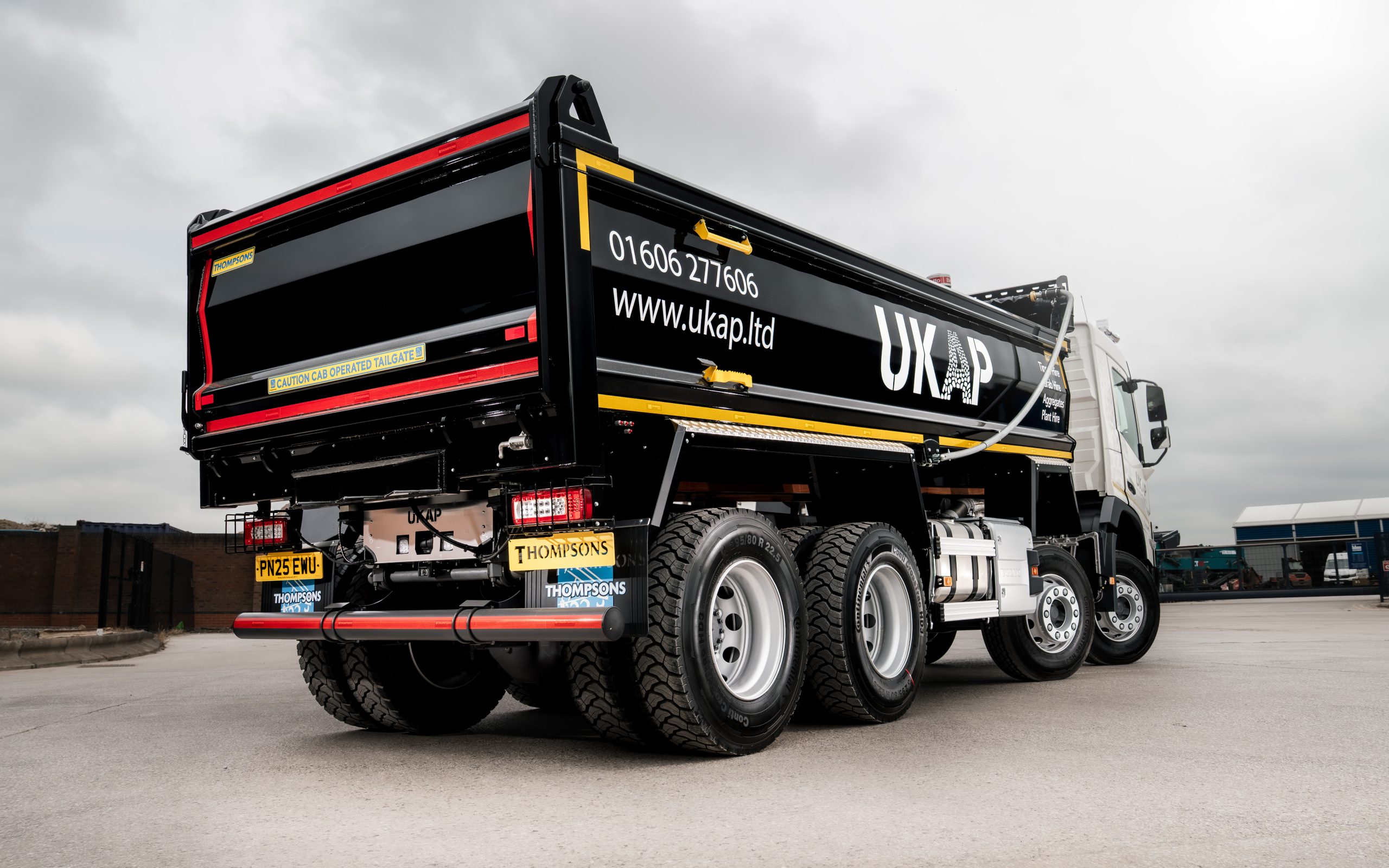
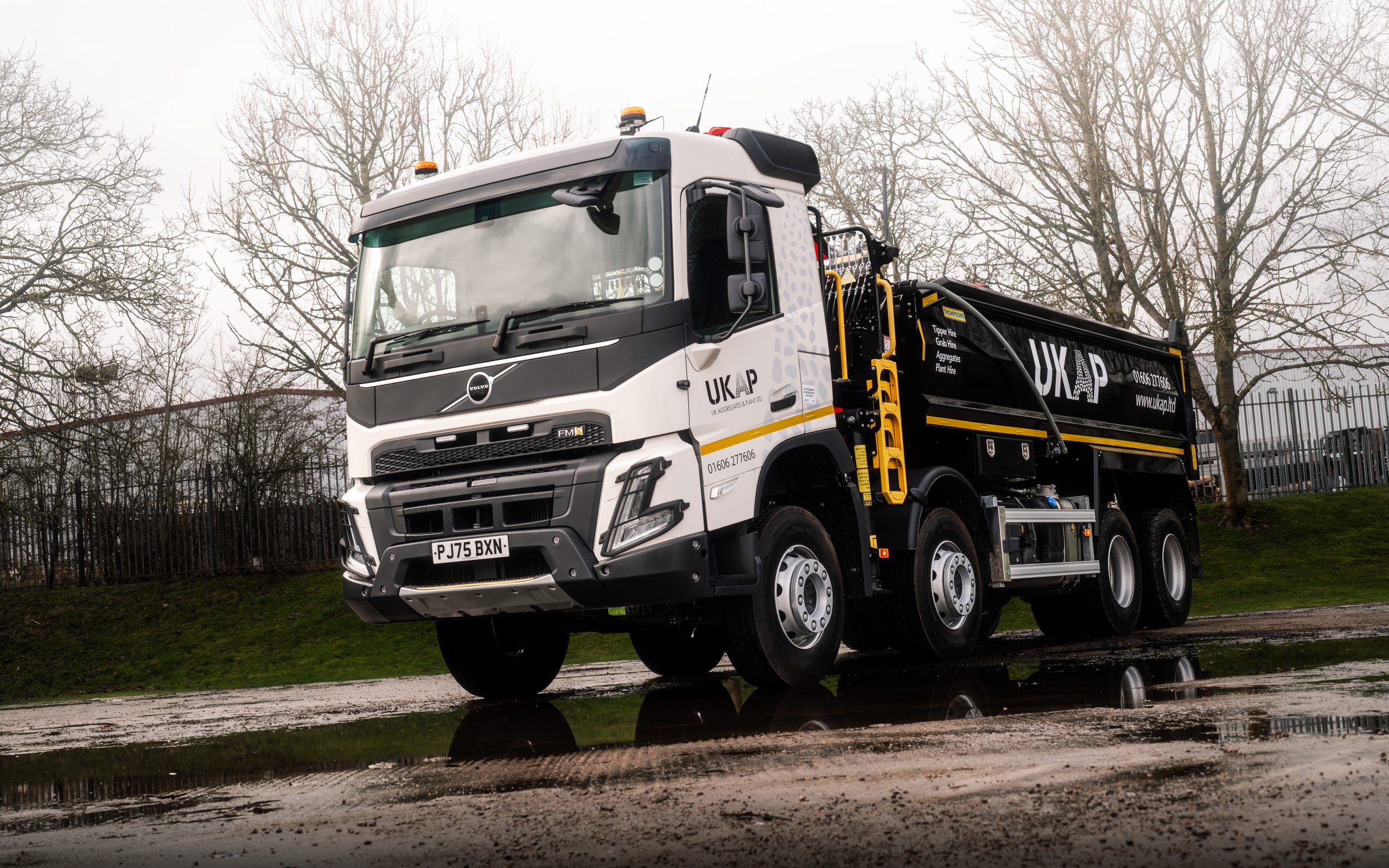
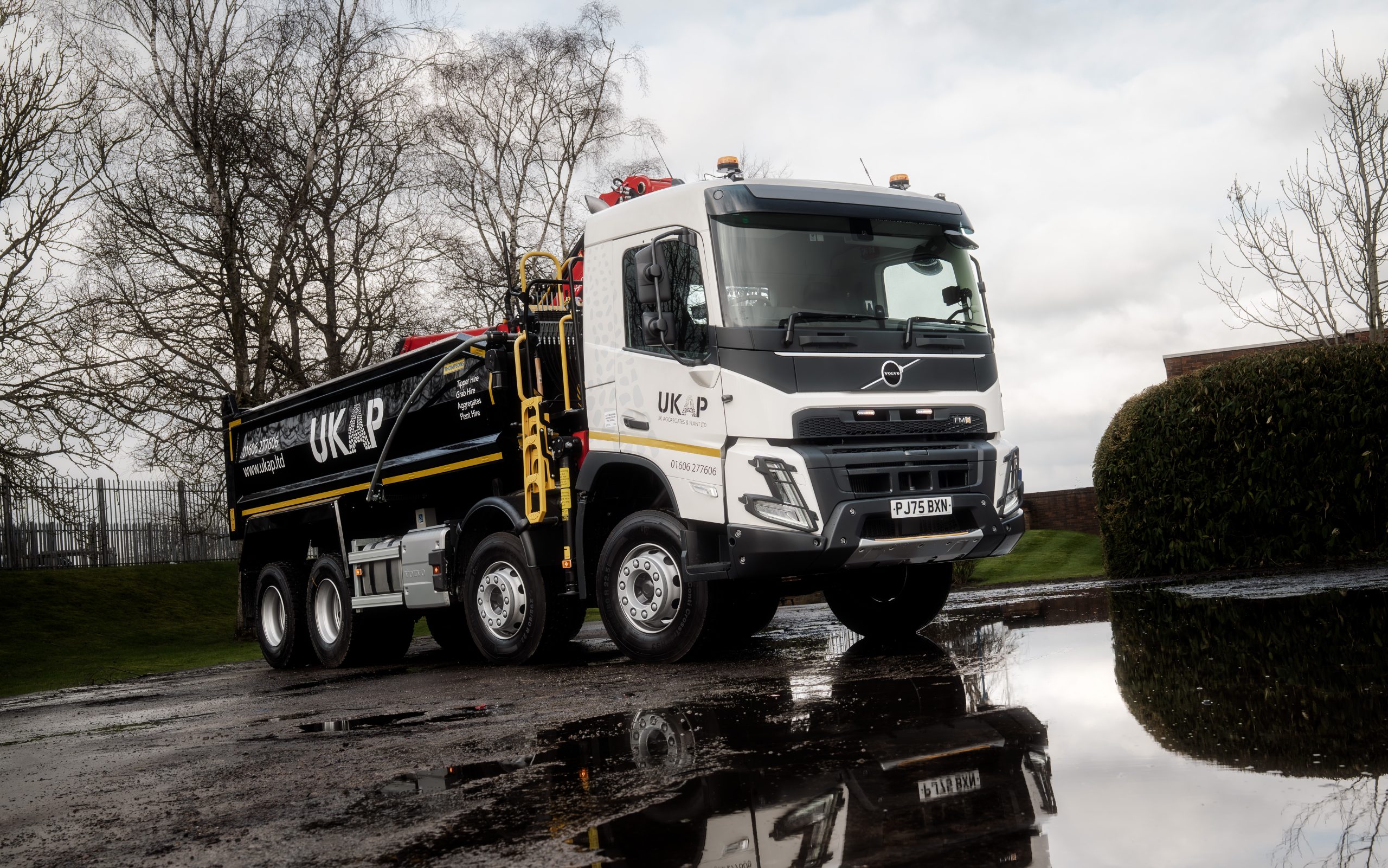
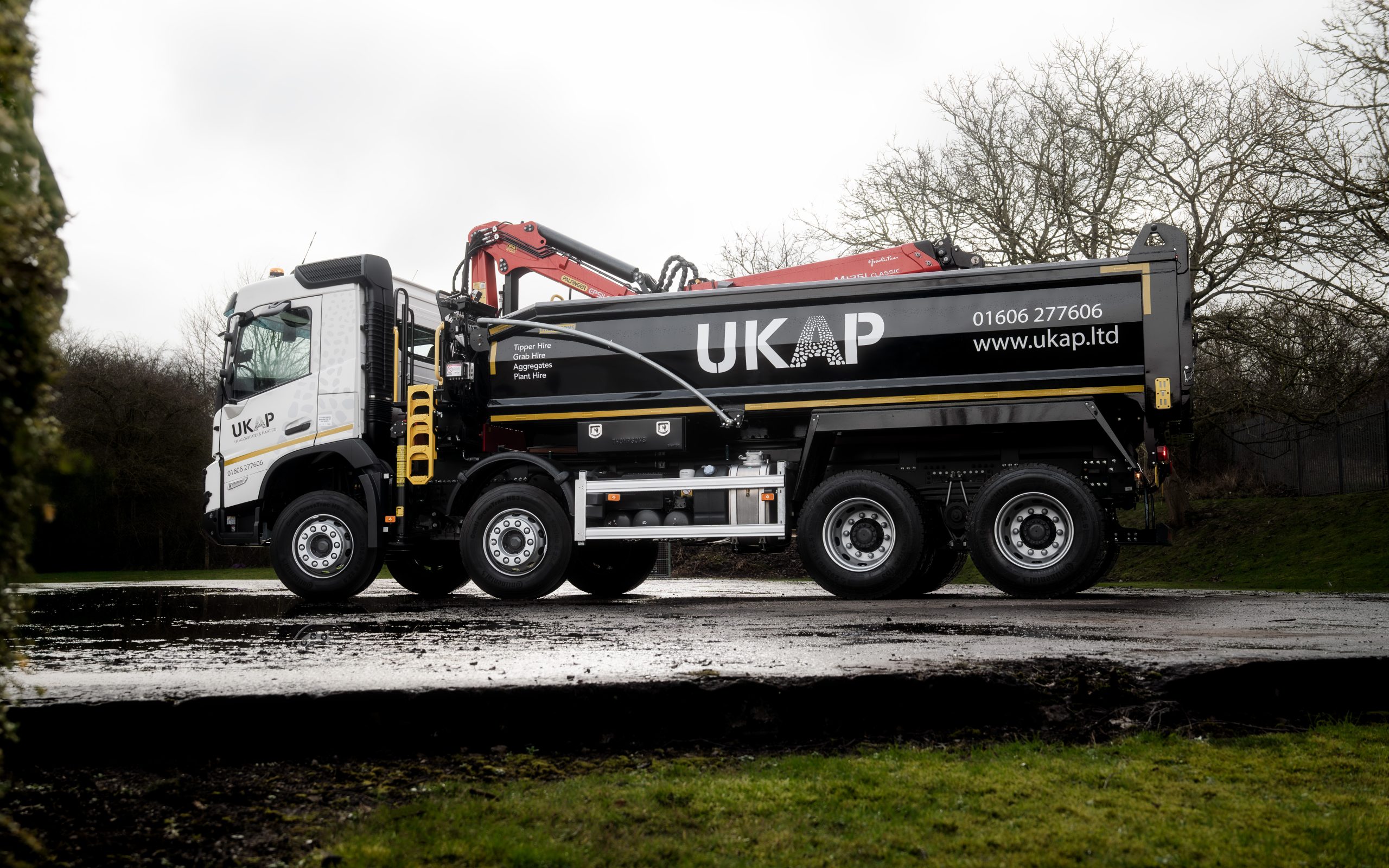
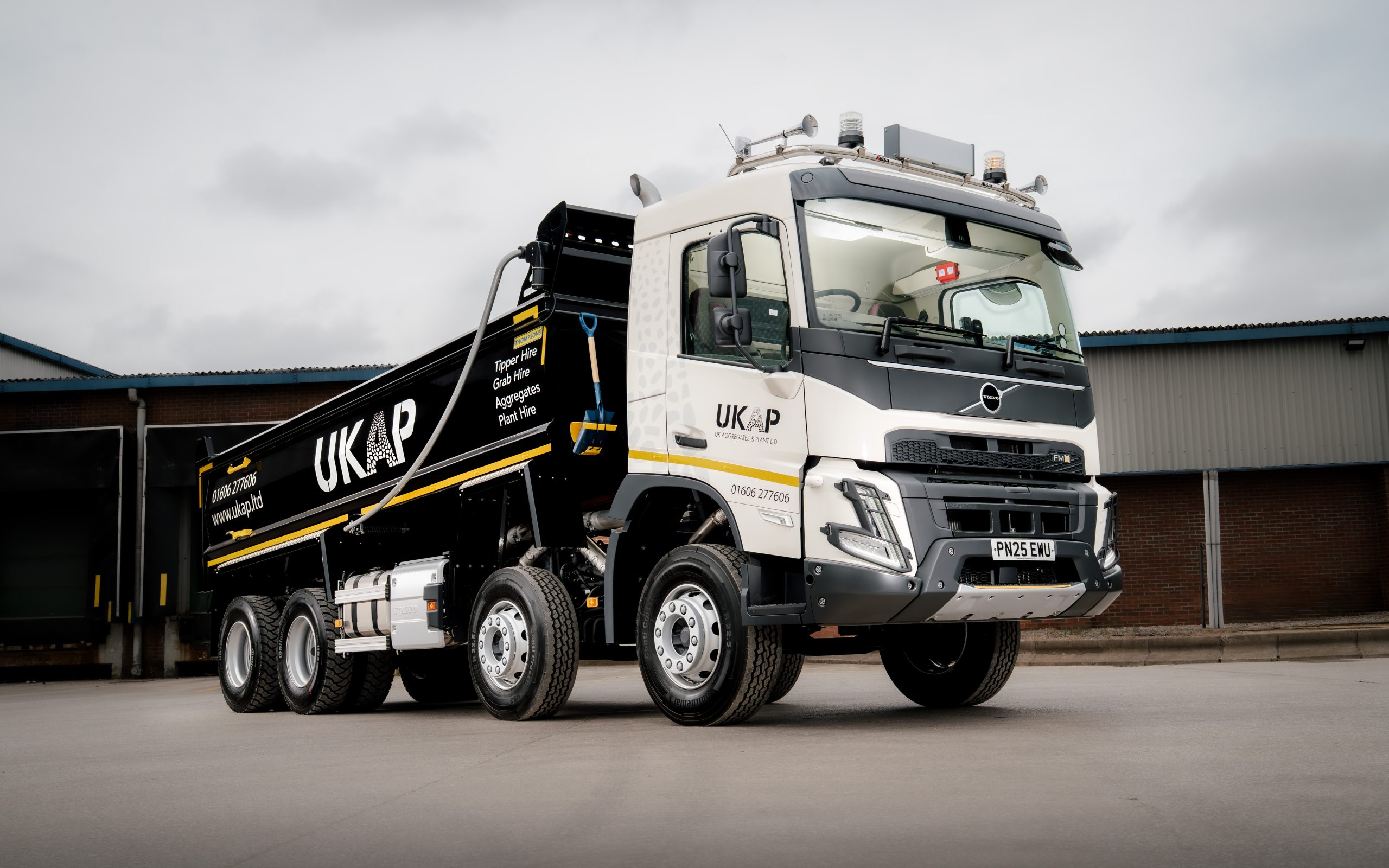
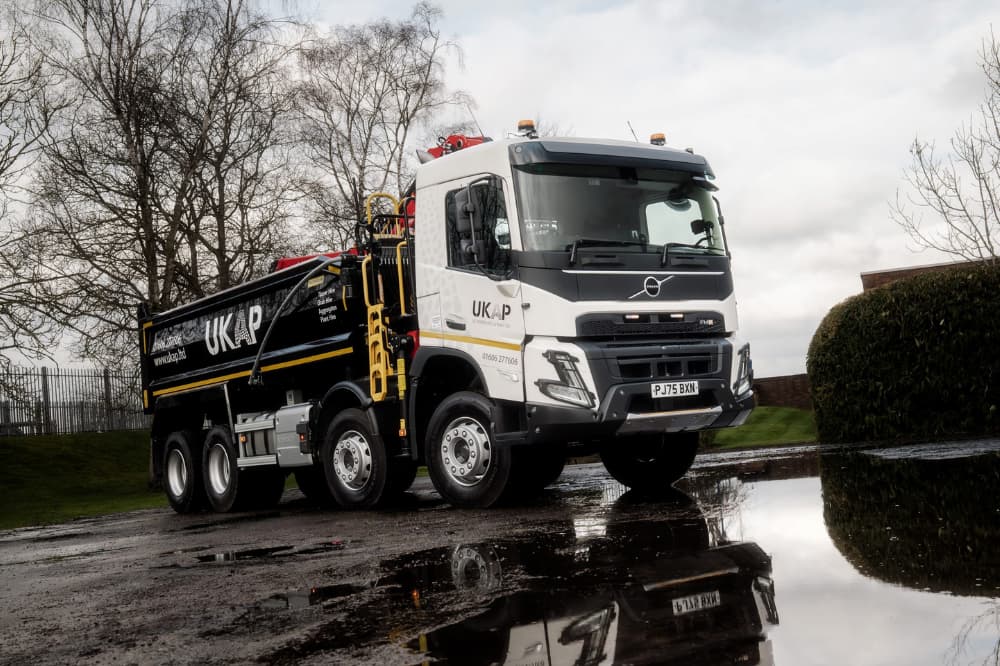
Our fleet of modern 8-wheel wagons and specialist vehicles meets all current highway safety standards and is equipped with advanced safety features. Our team has extensive experience in planning, logistics, and on-site operations to ensure every job runs smoothly.
Committed to Sustainability
Sustainability is at the heart of what we do. We continuously invest in efficient machinery, improved recycling processes, and environmentally conscious practices to reduce carbon emissions and contribute to a circular economy.

Industry News
-

Hazardous Soil: Classification, Testing and Disposal Guide
Hazardous soil refers to excavated or surplus soil that qualifies as hazardous waste because it contains hazardous substances or has one or more hazardous properties at a level that meets the relevant classification criteria. You may encounter hazardous soil on construction, demolition, remediation and infrastructure projects. In particular, it can arise where previous industrial, commercial […]
-
How Much Does It Cost to Hire a Tipper Truck?
Quick answer: There’s no fixed price for tipper truck hire — costs depend on factors like travel distance, material type and quantity, site access, and disposal requirements. We assess each job individually and provide a tailored quote. If you’re planning a construction, landscaping, or clear-out project, you’ve probably already searched ‘how much to hire a […]
-
How Much Does It Cost To Hire A Grab Lorry?
If you’ve got a pile of soil, rubble, or building waste that needs to disappear fast, you’re probably asking the same question everyone asks first: how much does it cost to hire a grab lorry? The short answer is usually somewhere between £250 and £500 per load, depending on the size of the lorry, what […]
Frequently Asked Questions (FAQs)
-
How much waste can a Grab wagon carry?
Typically up to 16 tonnes.
-
Dry materials (soil, rubble, hardcore): usually closer to the upper volume range before hitting the weight limit.
-
Wet or saturated waste: water significantly increases weight, so the wagon may reach its maximum legal weight with less volume loaded.
This is governed by UK legal weight limits rather than by volume alone.
-
-
How far can the Grab arm reach?
Our grab wagons are fitted with a hydraulic grab arm that can reach approximately 6–8 metres from the side of the vehicle.
This reach allows operators to collect waste from safely:
-
Over walls or fences
-
From behind hedges
-
Across verges or ditches
-
Within front gardens or driveways
Exact reach can vary depending on site conditions, but 7 metres is a common working average. For safety and stability, loads are usually taken from within the arm’s optimal reach rather than at full extension.
If access is restricted or waste is set further back, it’s always best to check in advance.
-
-
Can Grab wagons collect waste over fences or walls?
Yes, our grab wagons can safely collect waste over fences and walls in most situations.
Thanks to their hydraulic grab arms, which typically reach around 6–8 metres, grab wagons can lift waste from behind boundary walls, fences, hedges, and other obstacles without needing direct vehicle access.
However, a few factors can affect this:
-
Height of the wall or fence
-
Distance from the road to the waste
-
Weight and type of material
-
Overhead obstructions (such as cables or trees)
For safety and efficiency, waste should be clearly visible, loose (not bagged), and free from obstructions. If walls are particularly high or waste is set far back, it’s best to confirm in advance so the operator can access and load safely.
-
-
Is Grab Hire cheaper than skip hire?
In many cases, yes, grab hire can be cheaper than skip hire, but it depends on your specific job and needs.
Why grab hire can be more cost-effective:
✔ No need for space to place a skip, no skip permit costs or dropped-kerb charges
✔ Faster loading — waste is collected in one visit
✔ Access over walls/fences — no need to clear space for a skip
✔ Only pay for what’s taken away — no waiting for skips to fill -
How much can a Tipper wagon carry?
A standard tipper wagon can typically carry around 20 tonnes per load, depending on the material. Legal weight limits usually matter more than the physical volume of the body.
In volume terms, this is usually 10–14 cubic metres, but the type and condition of the material make a big difference:
-
Dry materials: (soil, sand, aggregate, hardcore): allow more volume before reaching the weight limit.
-
Wet or saturated materials: weigh significantly more, so the truck will carry less volume to remain legal and safe.
Because water adds substantial weight, tipper wagons carrying wet waste or muck-away loads are often loaded below full capacity.
-
-
Do you offer Tipper hire for residential projects?
Yes, services are available for both residential and commercial clients.
Whether you’re a homeowner preparing for a renovation or landscaping job, we can provide a tipper and arrange a collection time that works for you.
-
How far in advance should I book?
A few days is ideal, but we’ll always try to accommodate same-day and next-day requests.
-
How do I determine how many Tipper loads I need?
To work out how many tipper loads you’ll need, you need to consider three key factors: the volume of waste, the type of material, and whether it’s dry or wet.
1. Estimate the volume of material
Measure the length × width × depth of the waste area (in metres) to calculate cubic metres (m³).2. Identify the material type
Different materials weigh different amounts:-
Dry soil: ~1.2–1.4 tonnes per m³
-
Wet soil/muck: ~1.6–2.0+ tonnes per m³
-
Hardcore/rubble: ~1.5–1.8 tonnes per m³
3. Compare against tipper capacity
A standard tipper truck typically carries around 16–20 tonnes per load (or roughly 10–14 m³, depending on weight). -
-
How long does soil testing take?
Typically, 3 – 7 days, depending on the complexity.
-
What samples are needed for soil testing?
Usually multiple samples from different site depths.
-
Can soil testing detect contamination?
Yes, including heavy metals, hydrocarbons, and asbestos.
-
Is soil testing required for planning permission?
Often yes, especially for brownfield or agricultural land.
-
What types of aggregates are available?
- 6F5 Recycled Aggregate – versatile fill material made from crushed concrete and brick, excellent for bulk fill and groundwork.
- Type 1 MOT Aggregate – a crushed stone sub-base compliant with MOT specifications for driveways, roads and load-bearing surfaces.
- Hardcore Aggregates – ideal for strong base layers and foundations.
- Crushed Concrete – recycled crushed concrete in various sizes for durable sub-bases and structural use.
- Grit/Sharp Sand – coarse sand for paving, block laying and drainage.
- Sandfill – general-purpose sand for backfilling trenches and blinding layers under concrete.
- Pipe Bedding – graded gravel/crushed stone for laying and supporting pipes.
- Screened Topsoil – nutrient-rich soil for gardens, lawns and planting.
- Gravel (various sizes)
- Ballast – sand and stone mix (e.g., 10mm & 20mm) used in concrete and base layers.
- Recycled Aggregates – such as road planings, construction and demolition waste processed for reuse.
- Type 1 Recycled – eco-friendly option with similar performance to traditional Type 1.
-
Are recycled aggregates suitable for construction?
Yes, recycled aggregates are widely used and suitable for many construction applications, provided they are produced and graded correctly.
Recycled aggregates are typically made from crushed concrete, brick, and other inert construction materials. When processed to the correct specification, they offer reliable performance while also being a more sustainable and cost-effective option.
Common construction uses include:
-
Sub-bases for roads, driveways, and car parks
-
Foundations and groundwork layers
-
Hardstanding and access roads
-
Backfilling and bulk fill
-
Drainage layers (depending on grading)
Key benefits:
-
Environmentally friendly (reduces landfill and quarrying)
-
Often more affordable than primary aggregates
-
Strong and durable for non-structural applications
-
Readily available in bulk quantities
-
Proud members of the Road Haulage Association

Enquire Now
Fields marked * are required

Building Foundations. Clearing The Way.
A fully licensed Waste Transfer Station, Aggregate Supplies & Construction Waste Management.