What Are Aggregates?
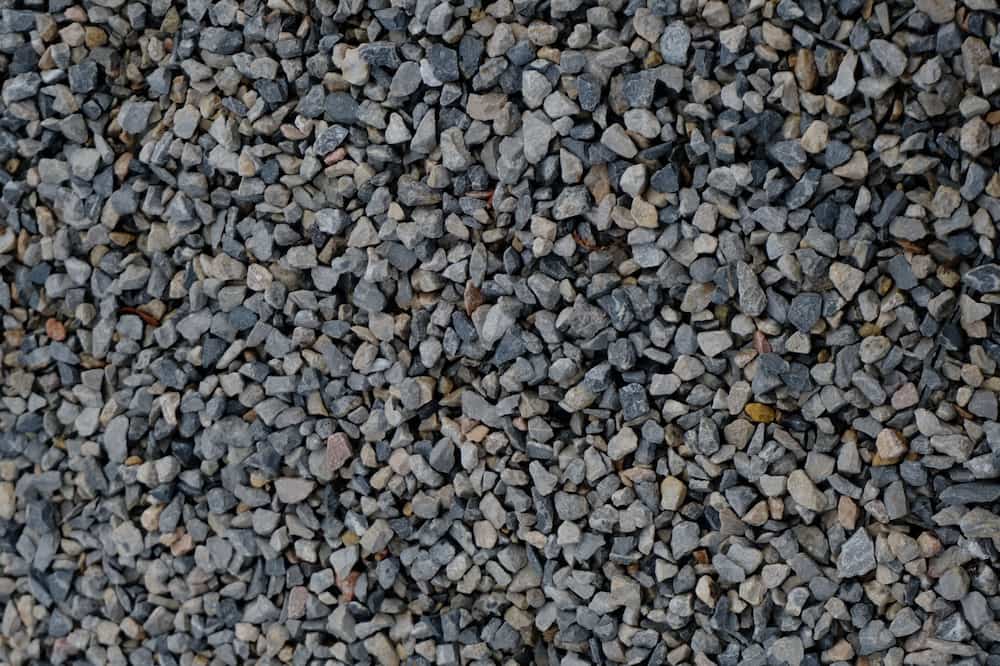

Planning a new patio, a driveway, or maybe an extension? At some point, someone is going to ask what aggregate you need.
Aggregates are the granular materials that form the base or foundation of almost every construction and landscaping project. They fall into three official categories, per British and European standards: natural, manufactured, and recycled.
In this guide, we’ll cover what aggregates are, the main types you’ll come across, what each one is used for, and how to choose the right one for your project, plus a few cost and buying tips to save you some hassle. No jargon, just the practical stuff you need to know.
The process is more involved than most people realise.
Quarrying: Natural rock is extracted from quarries or pits, or sand and gravel are dredged from land or marine deposits
Crushing and screening: Larger rock is mechanically crushed and passed through screens to sort it into graded sizes
Washing: Aggregates are washed to remove clay, silt, and organic material that would weaken concrete or mortar
Recycled production: Demolition concrete and old road asphalt are collected, crushed, and screened in the same way as virgin rock, producing recycled concrete aggregate (RCA) and recycled asphalt pavement (RAP)
The result is a graded product sorted by particle size, ready for a job.
The right aggregate depends on size, source, and what you’re building. Here’s a quick breakdown:
| Type | Source | Typical Use |
| Sand | Natural (land or marine) | Concrete, mortar, plaster |
| Gravel | Natural, loose stone | Driveways, drainage, decorative landscaping |
| Crushed Stone | Mechanically crushed rock | Road sub-bases, concrete mix, ballast |
| Ballast | Sand and stone/gravel blend | Foundations, garden walls, railway tracks |
| Recycled Aggregate | Demolition/road waste | Sub-base, fill, some concrete mixes |
| Manufactured Aggregate | Industrial by-product | Road sub-bases, some concrete mixes |
| Fill Material | Sand, topsoil or gravel | Levelling, backfilling, raised beds |
If you want to see how a working supplier actually organises its own range, this breakdown of bulk aggregates supply is a good real-world companion to the categories below.
Sand is the fine aggregate that holds most construction mixes together. Coarse or “sharp” sand is used where strength matters more than flexibility, while finer, softer sand is better suited to plastering and pointing.
Gravel is one of the most commonly bought aggregates for both structural and decorative jobs. It is used on driveways as it provides drainage and a natural finish. It is also used in decorative landscaping, for things like paths and borders.
Crushed stone locks together tightly, which is why it’s the go-to choice for anything that needs to bear weight. It’s great for things like road and driveway sub-bases, and as the coarse component for concrete production.
Ballast is a ready-blended combination of sand, gravel and stone, saving you from mixing your own ratios on site. It is great for garden projects as it can be used for walls, paving and stepping stones. It is a strong ready-mixed base used for structural pours in concrete foundations.
Made from crushed concrete, asphalt and other reclaimed materials, recycled aggregates are a common choice for sustainability-minded projects. They are used as a partial replacement for natural aggregate in some concrete mixes and a sub-base material for roads and paths.
6F2 is a good example: a recycled general fill made from crushed concrete, brick, and hardcore, widely used for road foundations, sub-bases, and piling mats.
Manufactured aggregate isn’t dug up or reclaimed; it’s produced as a by-product of another industrial process. Once processed, these materials perform similarly to natural aggregate in many applications, particularly road sub-bases and some concrete mixes, while making use of material that would otherwise go to waste.
Both have their place, and the “right” choice usually comes down to your project’s requirements and priorities.
| Factor | Natural Aggregate | Recycled Aggregate | Manufactured |
| Cost | Higher | Cost-effective | Mid-range |
| Environmental impact | Higher | Lower | Lower |
| Availability | Widely available | Growing, but more regionally variable | Regionally variable |
| Performance | Consistent, well-established | Comparable for most non-structural uses | Comparable for most sub-base/fill uses |
If your project has strict structural specifications, natural aggregate is the safer option. For sub-bases, fill, and general landscaping, recycled materials are just as effective and kinder to the budget and the environment.
The type of aggregate you need depends entirely on the job. Here’s how the main types map to real-world applications.
Fine aggregate (sand) and coarse aggregate (gravel or crushed stone) combine with cement and water to form concrete. Get the aggregate size and grading wrong, and you’ll compromise the strength of the finished pour.
Crushed stone and MOT Type 1 form the compacted sub-base that keeps roads and driveways from shifting and cracking, while gravel is a popular surface choice for a natural, low-maintenance driveway finish.
Gravel’s porous structure makes it the natural choice for French drains, soakaways and other drainage systems, letting water pass through rather than pool and cause damage.
It might seem obvious that you can lay a paving slab straight onto grass and call it a path, but soil moves. Rain causes some parts of the ground to expand more than others, and without a proper base, a slab will sink or wobble within a few months.
Screened topsoil is worth having on hand too, for turf laying, garden beds and improving soil structure once the hard landscaping is down.
Before any structure goes up, the ground often needs levelling or raising. Sand, topsoil or gravel fill gaps, backfill trenches, and create a stable, even surface to build on.
Choose the right aggregate, and you’re setting up everything built on top of it to last. Here’s what a good aggregate choice buys you.
Aggregates make up the bulk of concrete, asphalt, and sub-base layers. They’re what carries the load. Without a solid aggregate base, even the best cement or binder will crack, sink or shift under pressure.
Aggregates are chosen for their hardness and resistance to abrasion. That means roads that don’t rut under traffic, and surfaces that keep performing years after installation, cutting down on repairs and replacement costs.
Open-graded or permeable aggregates let water pass through rather than pool, reducing hydrostatic pressure and soil erosion underneath.
Compared to steel, specialist binders or engineered materials, aggregates are cheap to source and easy to transport in bulk. Yet they deliver most of the load-bearing performance in a project. Pound for pound, it’s one of the best-value materials in construction.
Recycled and secondary aggregates can perform just as well as virgin materials in many applications. Using them keeps demolition waste out of landfill, reduces quarrying, and lowers the carbon footprint of a project.
Before you order, run through these factors:
As a rough guide, aggregate quantity is calculated from the area you’re covering multiplied by the depth required, then converted to weight or bag count. Depth requirements vary by application, so it’s worth checking the recommended depth for your specific job before ordering.
Aggregate pricing depends on a handful of factors rather than a single fixed rate:
Type of aggregate: Recycled options are generally cheaper than natural, quarried material
Bag size: Small bags cost more per tonne than bulk bags or loose-tipped loads
Delivery distance: The further from the source or depot, the higher the delivery cost.
Regional availability: Local quarry access affects pricing across different parts of the country
If you’re working to a tight budget, buying in bulk and choosing recycled aggregate are the two easiest ways to bring costs down.
Reading about aggregates only gets you so far; sooner or later, the job needs the right material on site. Our aggregates range is available in bulk bags or loose loads, with delivery or collection across Northwich, Cheshire, Manchester and the surrounding areas.
Not sure which grade or size your project needs? The UKAP team will talk you through it and get you a bespoke quote. Get in touch on 01606 277606 or orders@ukap.ltd
Aggregate is the umbrella term for any granular construction material. Gravel is simply one specific type of aggregate.
Yes. Sand is classed as a fine aggregate and is a key component of concrete, mortar and plaster mixes.
MOT Type 1 is a graded crushed stone sub-base material used mainly for roads, driveways and paths. Ballast is a pre-blended mix of sand, gravel and stone, more commonly used for concrete foundations and garden structures.
Recycled aggregate is used in concrete mixes, though it’s more commonly approved for sub-bases, fill and non-structural applications. Always check your project’s specification or building regulations before substituting recycled for natural aggregate in structural work.
This depends on the application and expected load, but a compacted sub-base layer is typically laid several centimetres deep before the surface material goes down. Check the specific depth requirement for your project type before ordering.
